
Always here to answer your call
Before purchasing a new air conditioning system, it’s important to consider not just the upfront price, but also the potential ongoing costs of using a particular system. Being aware of costs and how they can be affected by available functions, installation, running, maintenance, and your local climate can help you choose the right system for your home.
The popularity of reverse cycle air conditioners in Australia in recent years hasn’t been just from their efficiency, but also their affordability. This article will walk you through the potential costs of this system and what can impact them. Overall, we’ll help you make an informed decision when purchasing your reverse cycle air conditioner.
A reverse cycle air conditioner is a type of air conditioner that can both heat and cool a space within your home. It comes as both multi-split and singular unit systems to adapt to any home’s structure and room numbers.
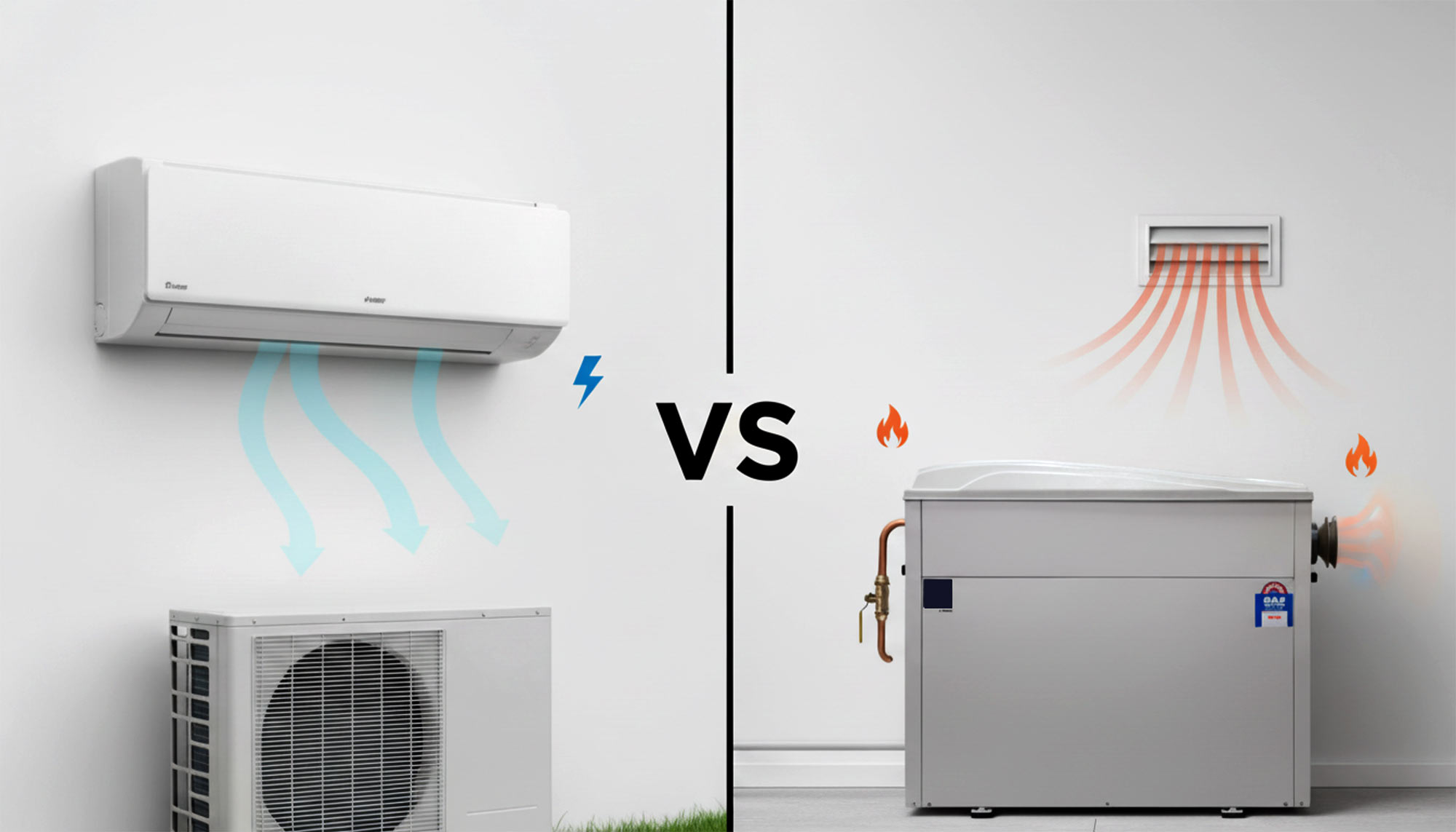
Also known as heat pump technology, reverse cycle air conditioning reverses the refrigerant cycle to provide both heating and cooling from the same unit. This helps prevent the need to use or install fans and separate heaters within your home.
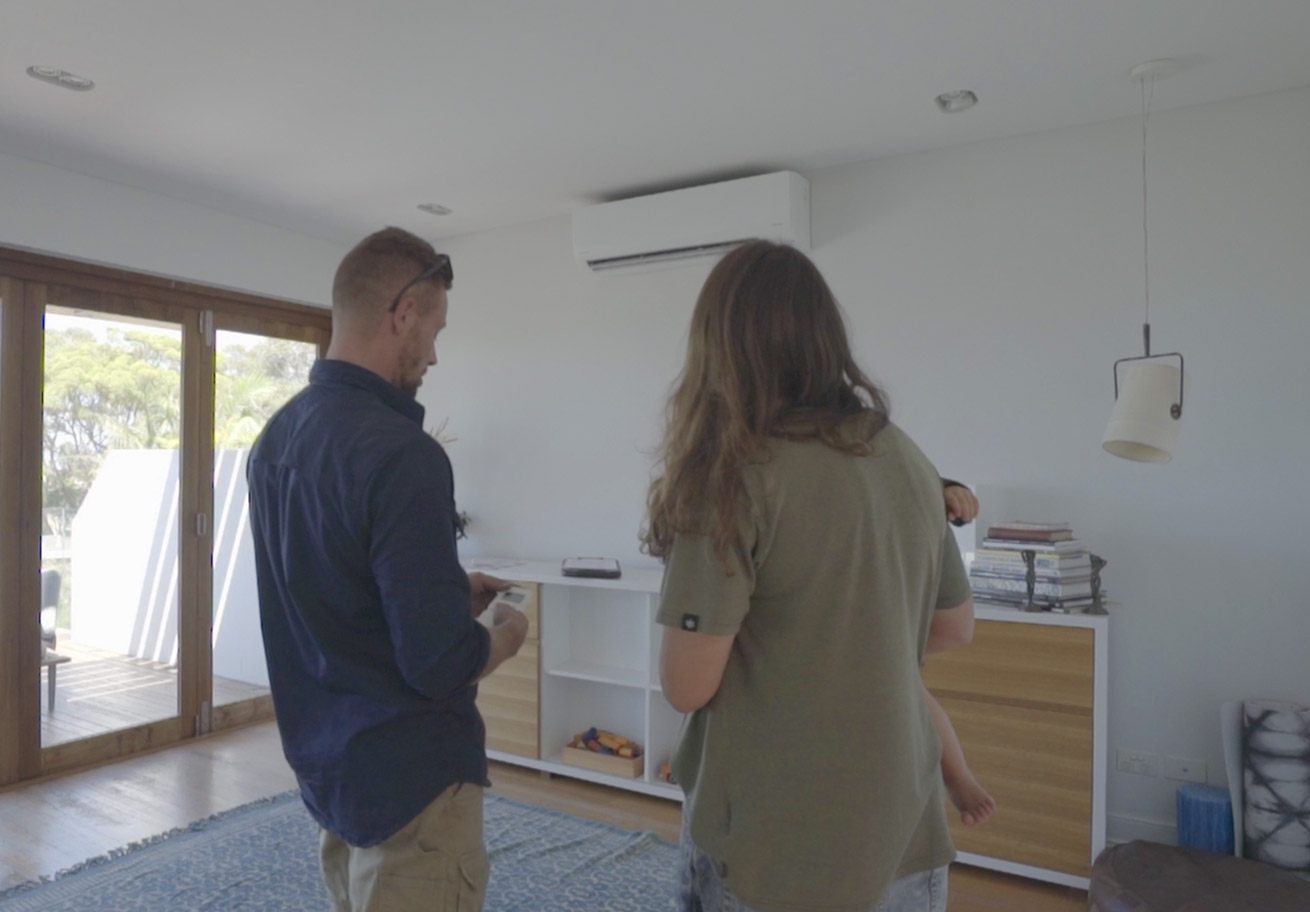
As with any type of air conditioner, a reverse cycle air conditioner will have costs beyond the purchase of the unit itself. Being aware of the potential costs can help you budget accordingly and find the most cost-effective unit for your home.
When you’re thinking about buying a reverse cycle air conditioner, you should consider these major factors:
The running costs for a reverse cycle air conditioner are determined by several different factors, all of which should be considered before purchase.
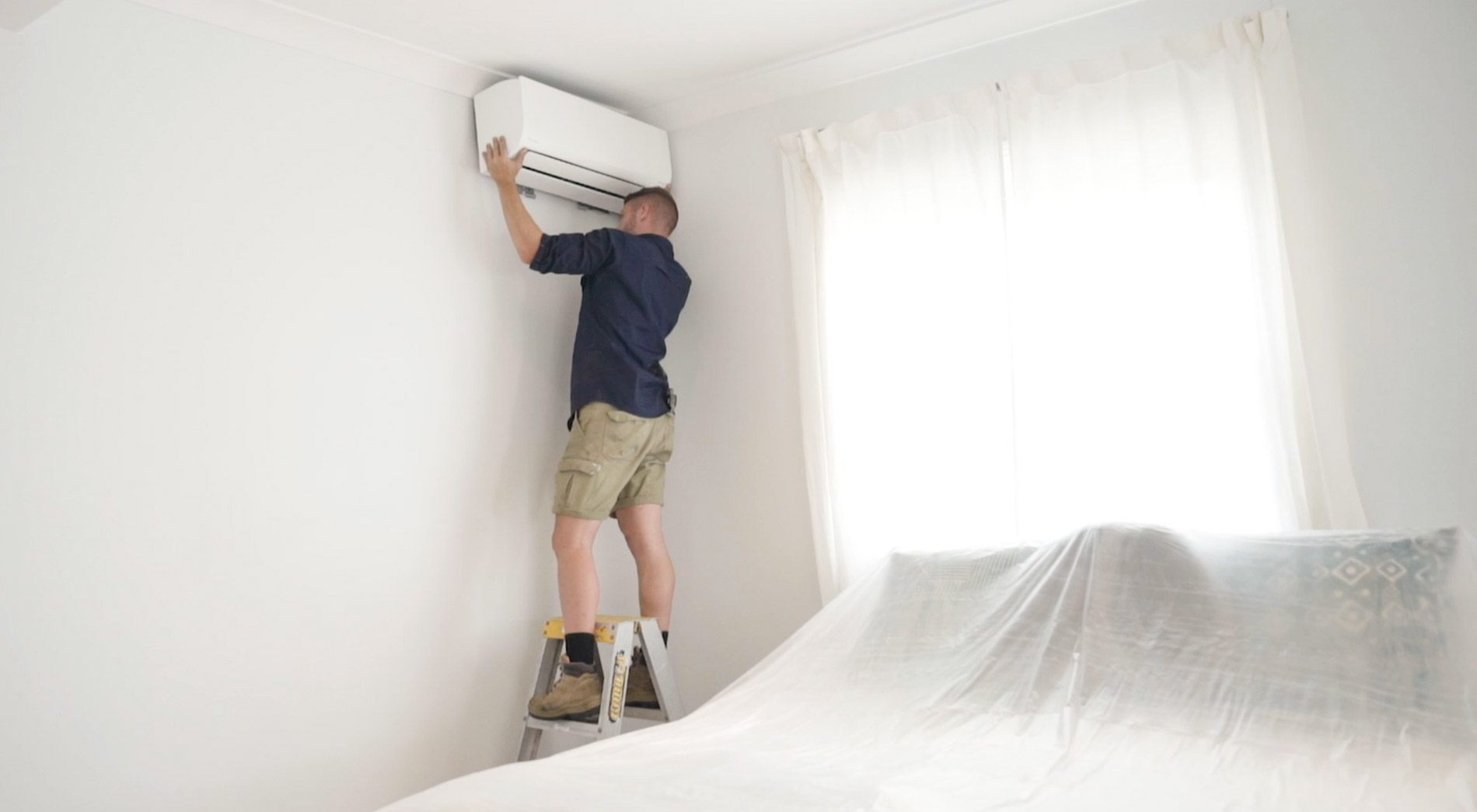
As with running costs, the cost to install a reverse cycle air conditioner will depend on the specific air con system you purchase. However, it can also be impacted by the amount of work needed to prepare your home for the new system and its functions.
Regardless of the specific reverse cycle air conditioning system you have installed in your home, it’s important to keep up with its maintenance. This ensures that your system will keep running efficiently while also extending its lifespan, preventing any unexpected repair costs in the future.
The cost to replace your old air conditioning system can vary considerably, based on your home’s existing air conditioning infrastructure and your desired upgrade path. While there may be a high initial cost, replacing an older air conditioner can be a cost-effective solution due to technological improvements and increased efficiency of newer models.
If you’re thinking of replacing your old air conditioner, you can take advantage of the government rebates on offer in your state and save money. We also have our own rebates and promotions available to save you money.
Your local climate will affect how you use your reverse cycle air conditioner, and in turn, impact your running costs. You will likely spend less money heating or cooling your home via air conditioning if you live in a mild climate area, compared to living in a climate with extreme heat and/or cold.
Installing a reverse cycle air conditioner can be a valuable addition to ensure your climate comfort. Regardless of the type of air conditioner, there are multiple factors that will impact the running cost over time.
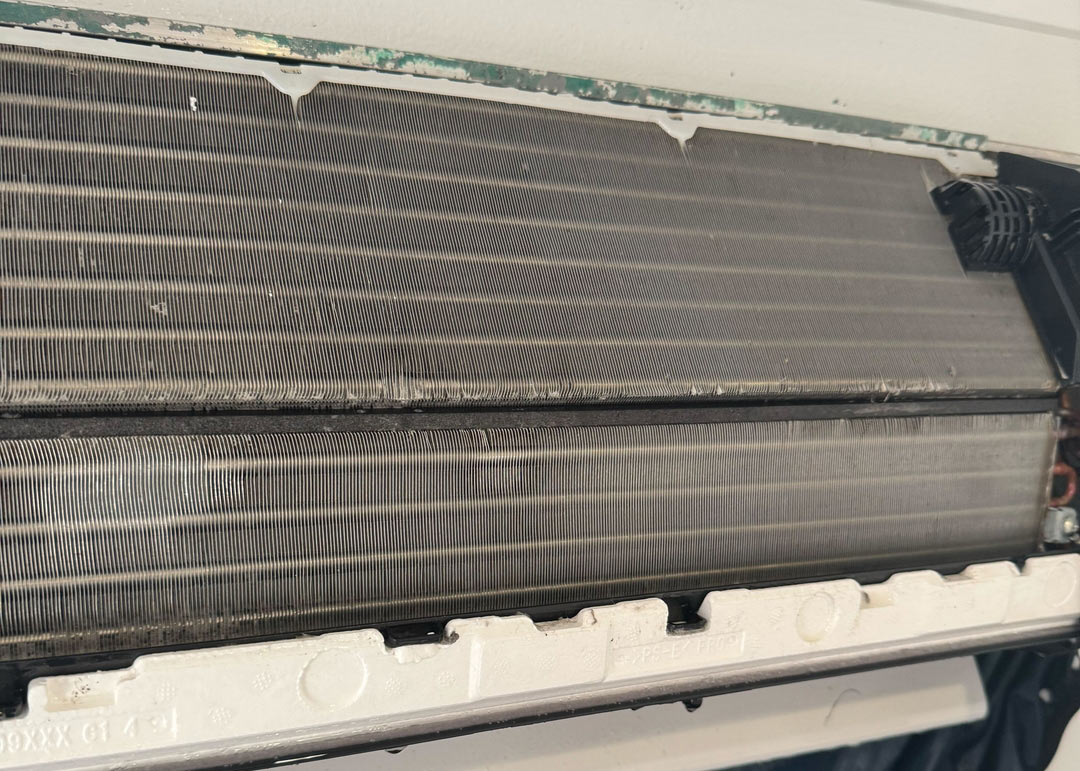
Thanks to advances in air conditioner technology, many modern air conditioners have a longer lifespan than their older counterparts. A well-maintained older system can have a lifespan of 10-15 years, while a newer model can last from 15 to 20 years.
However, even with a longer lifespan, a newer air conditioning system can have lower running costs due to greater energy efficiency. Newer systems may also require less maintenance, as they can be less prone to breakdowns and have parts that are more readily available compared to older models.
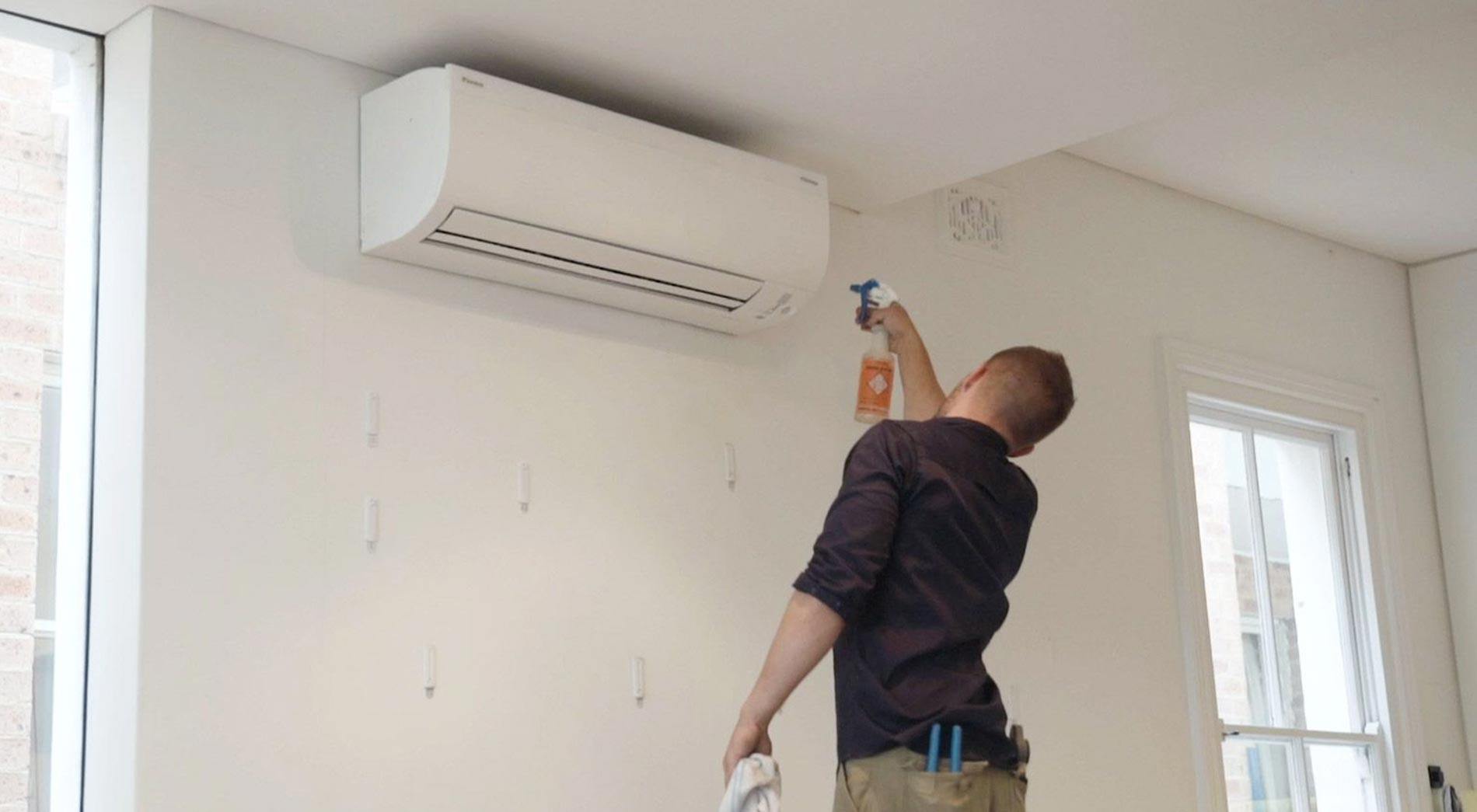
Regular professional maintenance and cleaning can help keep the running costs of your reverse cycle air conditioner low. Neglecting maintenance and cleaning can cause your air conditioner to be less effective and make it work harder to keep your home climate-controlled. It can also cause your air conditioner to break down and require repairs more often.
If you think your air conditioner needs repairs, book with Alliance. We’ll troubleshoot your issues, and can help prevent issues from snowballing and requiring more expensive work.
Heating and cooling larger homes will, in turn, require a more extensive setup and also lead to increased running costs, compared with a smaller home or apartment.
Your home’s design can also impact both the initial cost of installation and running costs. Different home materials may require more complicated installation procedures, resulting in a higher cost.
Additionally, a home constructed with less insulation and single-glazed windows will incur higher air conditioner running costs than a home that is fully insulated with double-glazed windows. This is because home insulation and double-glazing can significantly improve heating and cooling retention in your home, so your air conditioner won’t have to work as hard to keep the climate how you like it.
While a reverse cycle air conditioner’s primary function is to heat and cool your home, it can come with a number of features that impact its running costs.
Your local climate has a direct impact on your air conditioner’s usage, and in turn, your running costs. If your local climate experiences extreme heat or cold, you are more likely to use your air conditioner more frequently and at a higher level, leading to higher power consumption and bills.
Split system and ducted reverse cycle air conditioners may perform similar climate control actions, but are designed to do so in distinct manners. Each system has different advantages, disadvantages and use cases, aligning themselves more with specific house designs, occupant needs and climate function. As a result, the costs can vary between the two setups.
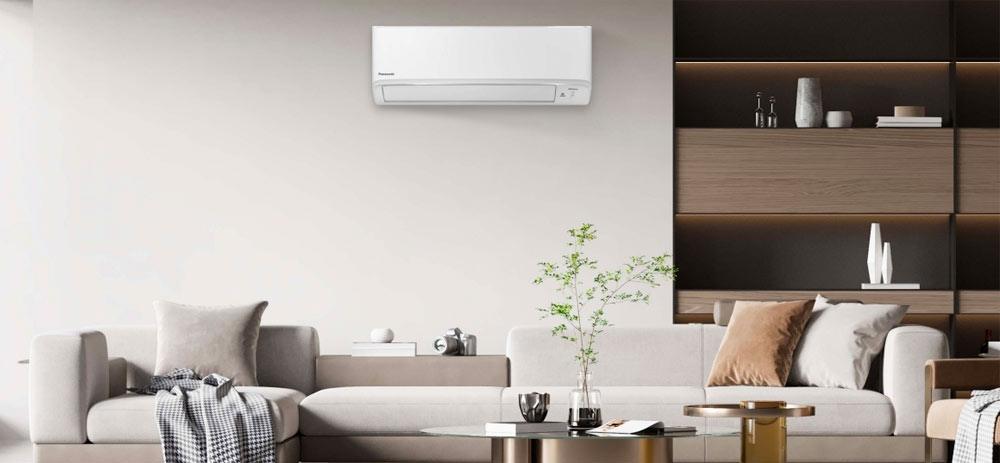
A reverse cycle split system air conditioner can both heat and cool the air within a room or space in your home. However, when structured as a split system, the outdoor unit (which expels heat from your home and draws in cool air) is connected to multiple indoor units.
This design allows split systems to provide climate control for individual rooms without the need to install multiple outdoor units. For homes with multiple occupants with varying climate needs, this can be a beneficial choice.
Carlos lives in a two-bedroom apartment in Sydney. While his apartment is on the smaller side, the living area can be particularly vulnerable to Sydney’s hot summers and cool winters. Since he spends a lot of time there, this can make the apartment uncomfortable.
For Carlos, a reverse cycle split system air conditioner is probably the best option for heating and cooling his apartment. The smaller space means the air con won’t have to work as hard to keep him comfortable, making it more cost-effective for Carlso than a reverse-cycle ducted air conditioner.
A reverse cycle ducted air conditioner is a centralised air conditioning system which uses a series of air ducts to heat and cool a space. Ducted systems can be used to climate control an entire house.
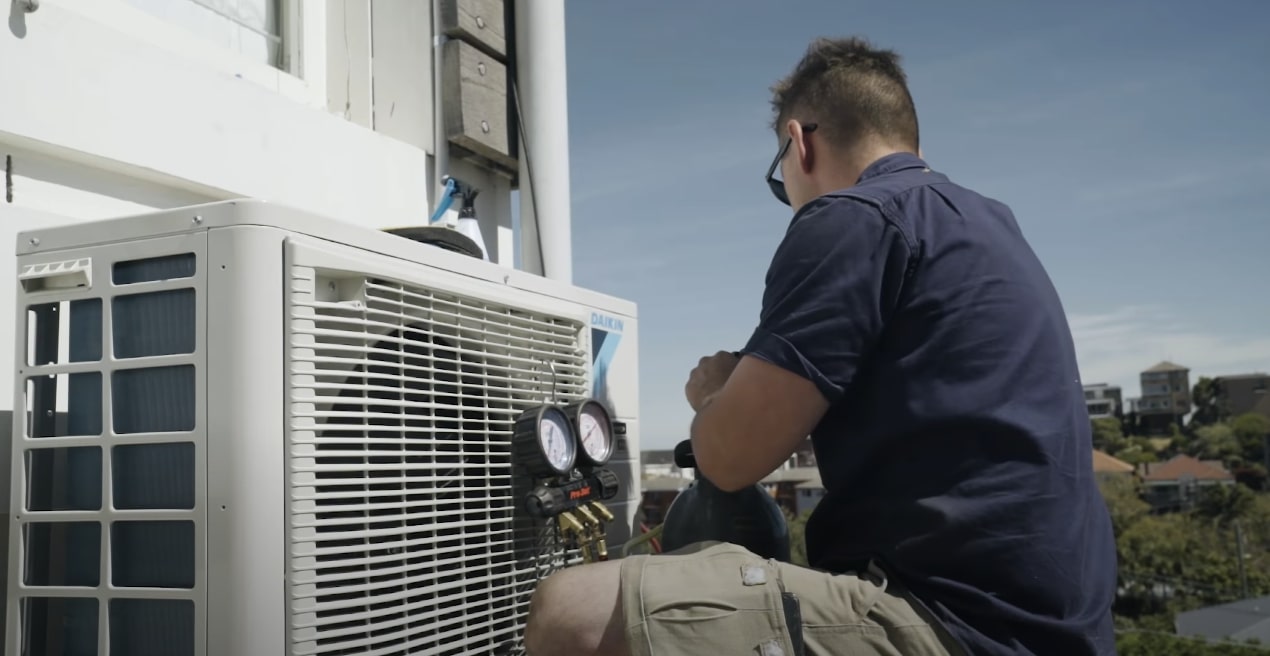
Bob and Cheryl are a retired couple who have just bought a four-bedroom home. They have a large living area, and their bedrooms are quite large. Bob and Cheryl frequently have guests over in summer and winter, and tend to use each room of the house frequently.
For Bob and Cheryl, a reverse cycle ducted air conditioning system would be ideal for their home. The large rooms and frequent usage mean they can take advantage of a ducted air conditioner’s whole-house coverage.
We at Alliance Climate Control can take all the guesswork out of choosing and installing your new reverse cycle air conditioner. Our expert technicians are trained by the manufacturers themselves, and have over a decade of experience installing, maintaining and repairing air conditioners.
Contact us today, and find out how you can get personalised reverse cycle air conditioning installation and servicing in your home.

The cost to install a reverse cycle air conditioner will depend on the type of air conditioner, as well as the work required on your home to install.
At Alliance Climate Control, we work with you to determine the best products for your budget and household needs. With a free consultation on-site, you can gain expert insight at your own convenience.
The $5000 AC rule is an HVAC industry standard that helps determine if it’s better to repair or replace an air conditioner. To determine this, multiply the age of your HVAC unit by the repair cost.
If the result is under $5,000, repairs are worthwhile. If the result is over $5000, then a replacement air conditioner is likely to be the more cost-effective option.
The cost to run a reverse cycle air conditioner can be highly varied, based on the type of air conditioner, the space being heated/cooled and the frequency and intensity of use. While these costs can be relatively expensive in some cases, other use cases can be far more cost-effective.
A split system air conditioner is a type of air conditioner, whereas reverse cycle refers to an air conditioner’s function of being able to both heat and cool.