
Before purchasing a new air conditioner, it’s essential to understand which system suits your home and its climate needs.
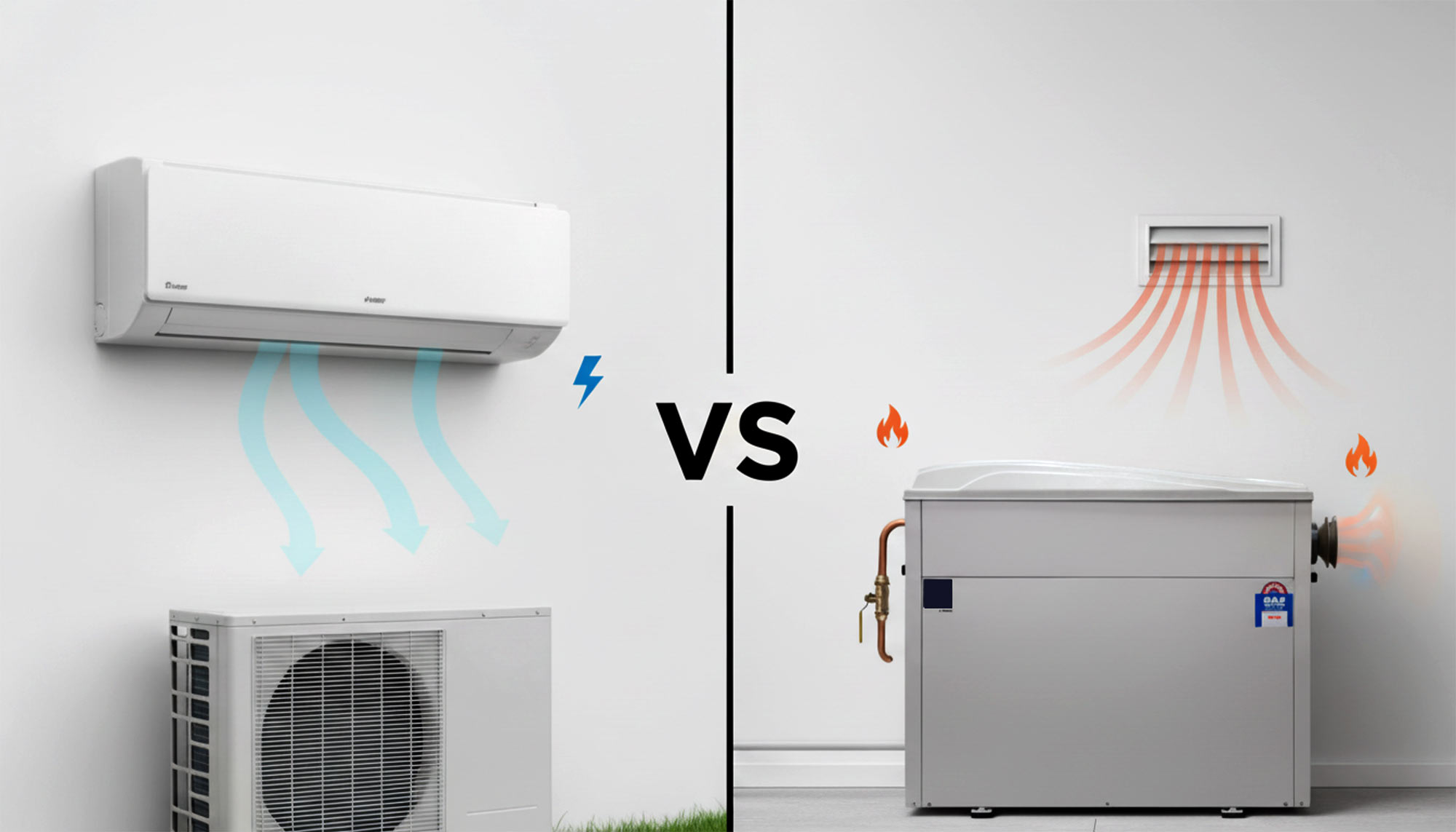
Reverse cycle air conditioners and gas heating systems are both popular choices across Australian households. Depending on your home, climate and use case, it may be more beneficial to invest in one over the other.
In this guide, we will break down the differences and help make your choice between reverse cycle air conditioning systems and gas systems easier.
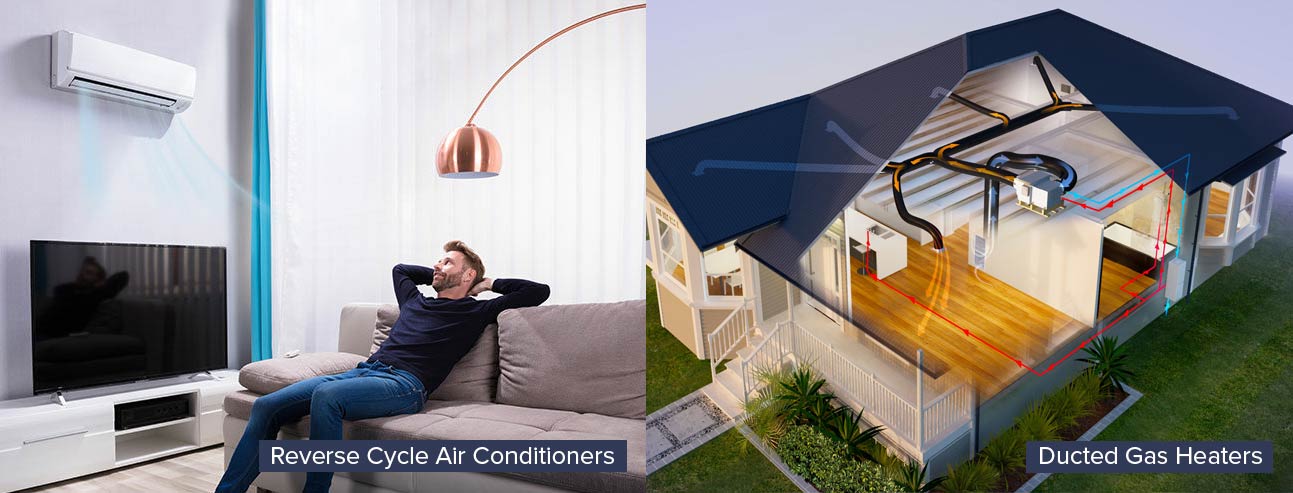
Knowing the main differences between reverse cycle air conditioners and gas heaters can help you match the best system to your climate needs. Comparing their main functions, unique features, climate capacities, energy efficiency, and other factors is needed to make the most informed purchase.
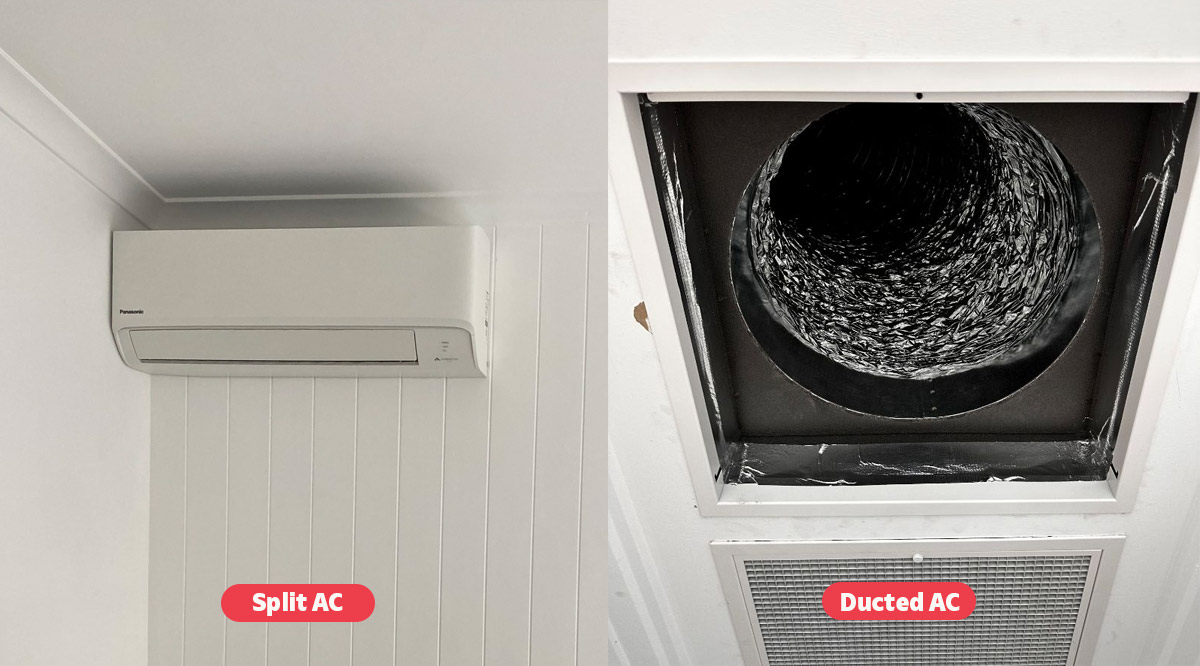
Reverse cycle air conditioners, also known as heat pump systems, are a type of air conditioner that can both heat and cool your home. They may be configured as a split system, multi-split system, or ducted system.
By providing dual-climate capabilities, reverse cycle systems can adapt to any home and its occupants’ needs. It does so without excessive energy consumption, using the heat pump technology to move cold and warm air between internal and external environments as needed.
A gas heater exclusively heats your home or space, not providing any cooling abilities during the warmer summer months. Thus, it’s typically a system used in parts of Australia that experience more severe winters than most, such as Canberra.
In general, ducted gas heaters heat your home by burning gas in a central heating system. This heating is then distributed through your home via gas ducts, which can be discreetly installed across walls, floors and ceilings.
For many Australians, the debate between reverse cycle and gas heating systems focuses on whether complete climate control is needed or a more powerful yet discreet heating system. However, there may be other benefits that you need to consider before making your final decision.
Reverse cycle air conditioners and gas heating are separate systems that have their own unique functions and associated costs. Comparing said costs can be difficult.
These costs can vary depending on the complexity of your setup, energy star ratings and your usage, and are based on current gas and electricity prices.
| Reverse Cycle Split System Air Conditioner | Reverse Cycle Ducted Air Conditioner | Gas Heating System | |
|---|---|---|---|
| Lifespan | 10-15 years | 10-15 years | 10-20 years |
| Supply and installation cost | $2,500-$7,500 | $5,000-$20,000 | $5,000-$10,000 |
| Running costs (per annum) | $150–$1160 | $300-$1,500 | $635-$1845 |
| Maintenance costs (per callout) | $100-$200 | $150-$300 | $150-$300 |
Whether a gas heating or reverse cycle air conditioner is best for your home is largely dependent on your local climate, usage and overall needs. In the following case studies, we’ll break down some situations where a reverse cycle air conditioner or a gas heating system is the best choice for you.
Candice and Jess live in a one-bedroom apartment in Parramatta that faces west. It can get cold in her apartment, but Candice and Jess find that the apartment’s orientation makes it very hot.
Candice and Jess thus decide to opt for a reverse cycle air conditioner, as bringing down their indoor air temperature is important to them.
Irene and Keith live in a four-bedroom house in Coogee. For them, Coogee’s coastal weather is great in summer, and they never have trouble cooling their home. In winter, though, they find their house can get quite cold.
Irene and Keith decide that a gas ducted heating system is best for them. Since they don’t need to cool their home in summer, heating during winter with a gas setup is more efficient and saves them money.
Whether you’re buying a reverse cycle air conditioner or a gas heating system, there are some steps you can take to ensure your space is being cooled and heated efficiently.
By shutting all of your doors and windows, you’ll help to confine the heating and cooling properties of your system to your space. This means your air conditioner or gas heater won’t have to work as hard to maintain your preferred indoor temperature.
A simple door snake can block gaps between your door and the floor, trapping heated and cool air where you want it
Shutting your curtains provides another bit of insulation between the indoors and outdoors, making your heating and cooling system more effective
Much of your home’s heating and cooling is lost through your windows. By investing in double-glazed windows, you’ll further reduce heat escape during winter and prevent heat buildup during summer. As a bonus, they can block out some external noises.

Whether you choose a reverse cycle air conditioner or a gas heating system, you need local installation experts you can trust. Fortunately, Alliance Climate Control have provided Australians across the country with personalised services they can trust.
Let our local team of technicians handle all of the hard work. This includes delivering, installing and servicing your new system from the convenience of your home. We leave your house exactly as we arrived, now with the addition of a reverse cycle air conditioner or gas heating system.
If you’re interested, get in touch with us today.
The cost difference between reverse cycle heating and gas heating is highly variable, so choosing which one is the most cost-effective can be challenging. Factors that can influence the cost of one over the other include the complexity of their installation, the system’s brand, its wattage, and the frequency of use.
Always compare costs between systems to determine which one fits your budget best.
Generally speaking, reverse cycle air conditioners can be very efficient in costs for both heating and cooling functions. In fact, their heat pump function often makes them more energy and cost-efficient than gas heaters.
This is because gas heaters need to generate their own energy to heat, while a reverse cycle setup will transfer heat energy from outside to help heat the air inside your home. If you have solar panels installed in your home, the efficiency gains for reverse cycle systems will be even greater.
You should also look out for an Energy Star rating label before making your choice, as they are a useful indicator of energy efficiency.
Gas heaters can experience issues with their pilot lights, as well as insufficient heat and strange noises. If you’re experiencing any problems, contact Alliance Climate Control, and we’ll repair your gas heating system.
We can also service your gas heater to prevent problems from occurring in the first place. This will save more time, money and effort in the future by preventing any issues.
If you ever encounter strange smells coming from your gas heater, it could be a sign of a gas leak. In these cases, you should vacate your home, and, once safe, call Alliance Climate Control to investigate. We can safely test for gas leaks and examine and fix your system.
The best type of heating system in Australia is dependent on your individual situation. This includes your location, climate preferences, finances and whether your home’s building materials have been optimised with insulation in mind.
Chat with a climate expert from ACC to learn more about your potential heating options and what may be best for you.
Depending on usage patterns, a reverse cycle air conditioner will be better for the environment than a gas heater. While both use fossil fuels to power them, gas heaters consume more energy and are less efficient than their reverse cycle air conditioner counterparts.
The process and costs of a heating system installation can vary, depending on the type of heating system you want and your home’s construction materials.
In general, a professional will assess your home and your climate control needs, make suggestions for a possible heating setup, and then prepare the site for installation. Once you have your gas heater or air conditioner installed, a technician will test the setup to ensure proper function and identify any potential problems.
If you’re ready for Alliance to install a heating system in your home, contact us today, and take your first steps towards climate comfort.