


Ducted air conditioning is the preferred system for many Australian households. It is clean, quiet, energy-efficient and able to provide cheaper running costs compared to other systems.
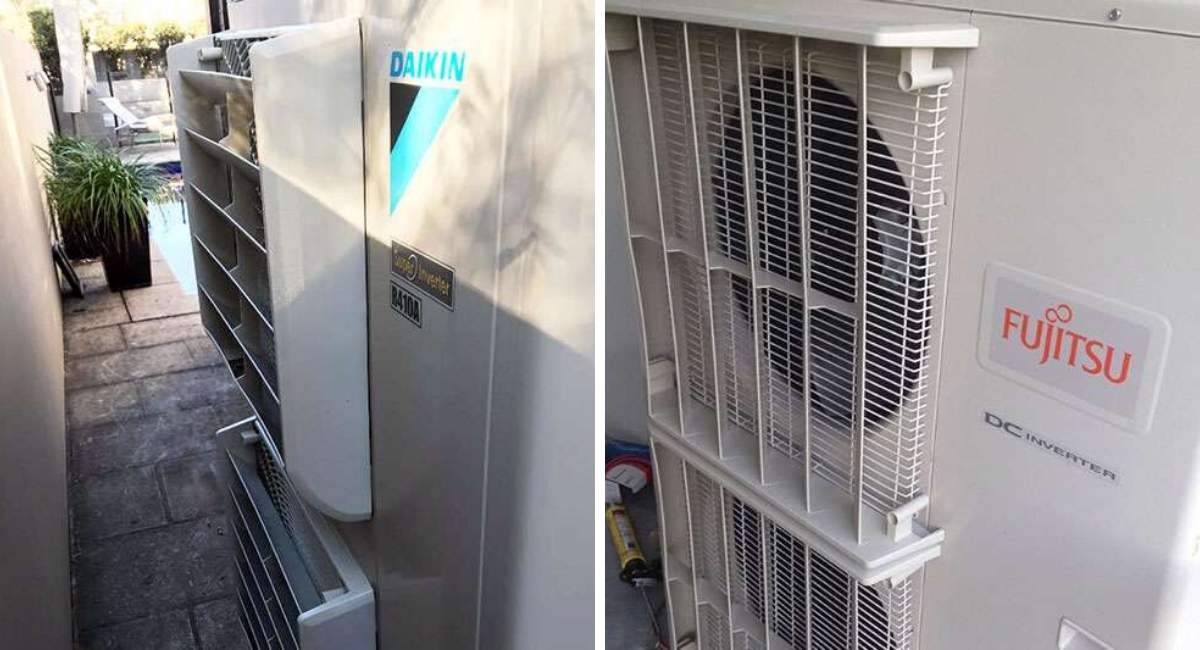
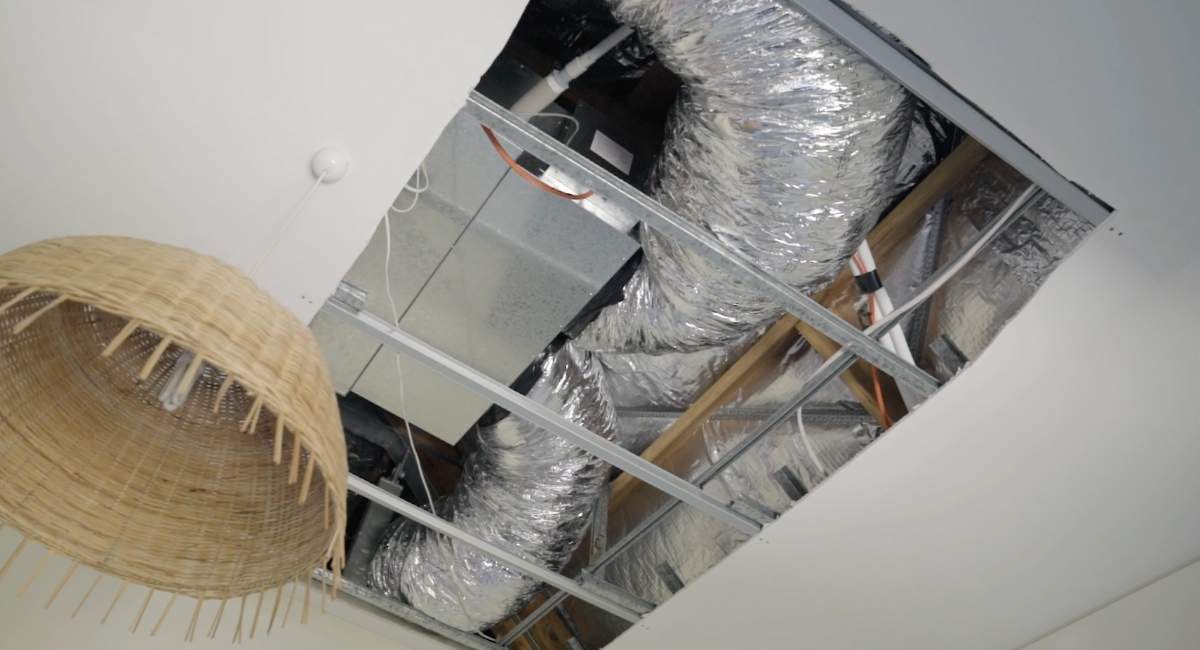
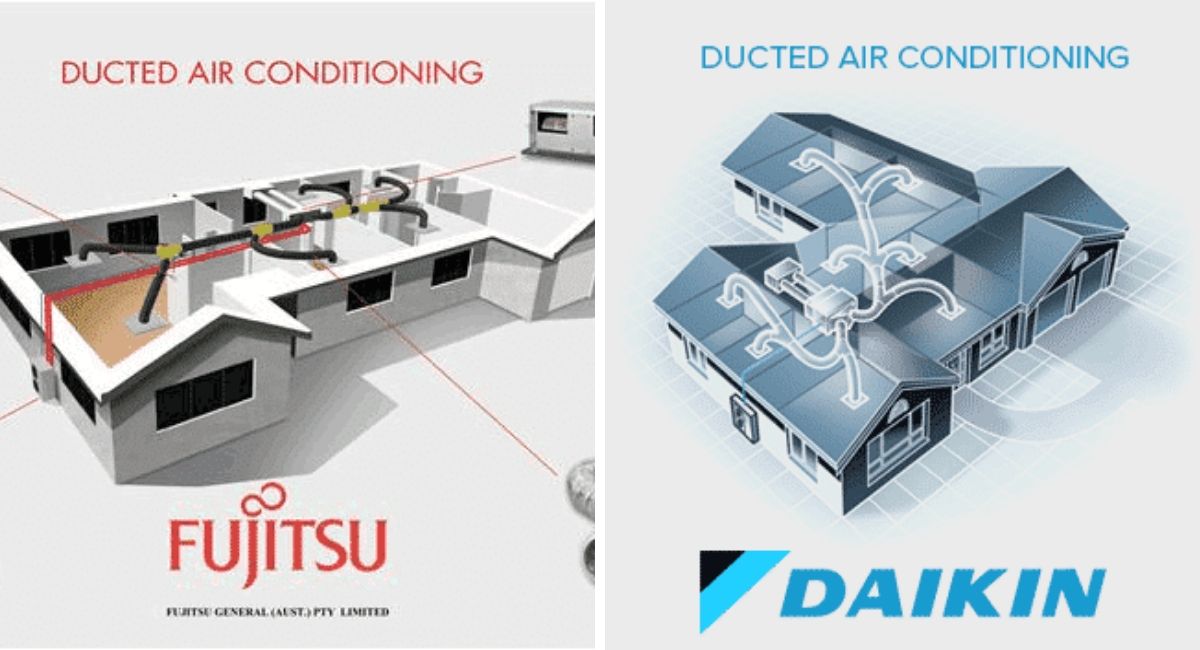
A ducted air conditioning system typically comprises a compressor and heat exchanger in an externally located cabinet, a cooling coil and fans in an indoor unit, hidden from view in the ceiling cavity and connected to a series of ducts directing conditioned air to each living space as needed.
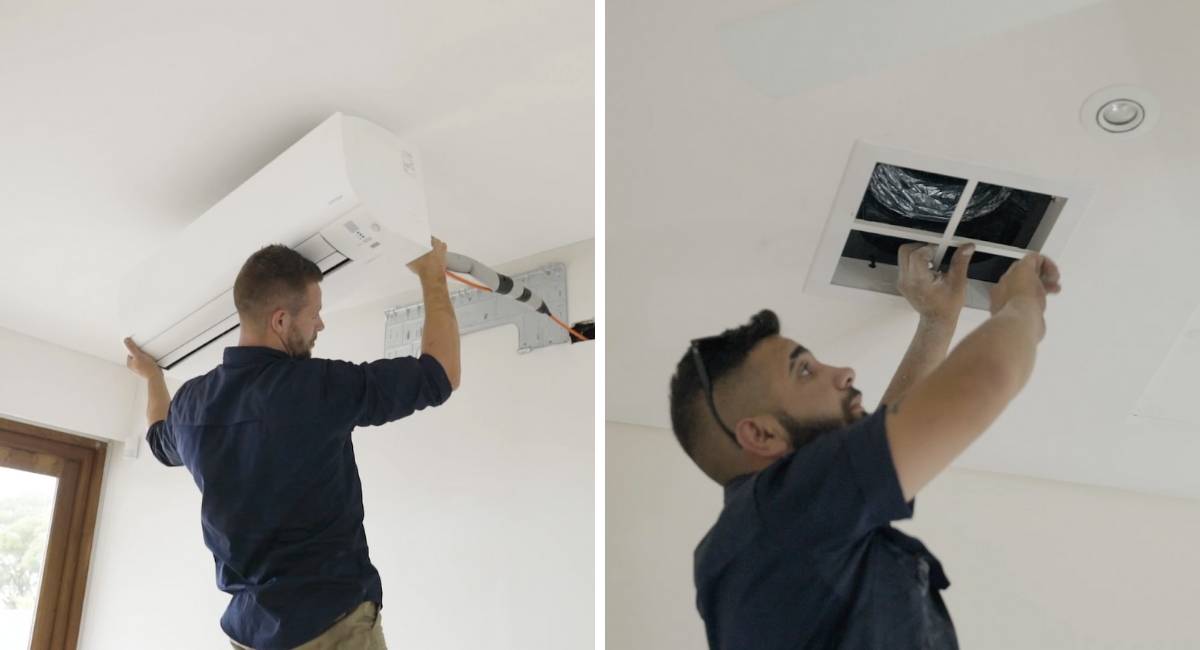
While a ducted air conditioning system, performing to its designed capabilities, will provide comfort to the living spaces in your home, it is vitally important the installation is evaluated properly before any work is completed then correctly executed.
The importance of a good installation cannot be overstated.
A poorly installed system may be unable to respond to the needs of the existing space or extreme conditions the environment seasonally presents, causing the system to be under continuous load and likely to fail prematurely with unplanned and costly repairs or upgrades probable.
For instance, a space incorporating large heat sources such as kitchen cooking appliances or large western facing windows or doors, possibly remaining partially open, quickly add extra load to the system. Additionally, if the outside temperature during summer months is extreme and not appropriately considered by the installer, the system may also not be able to consistently sustain the selected room temperature. Occupants in each case may want to select a lower output temperature, possibly overloading the compressor, beyond the capability of the system.
When selecting an air conditioner system, it is also important to consider the advantages of each brand of ducted air conditioner systems and their varying levels of innovation and complexity.
A measure of the most experienced designers and manufacturers is illustrated by the years of operation and industry innovations developed and brought to market.
The leading group in this segment of manufacturers might include Daikin and Fujitsu who introduced compressor inverter technology and DC electric motor load detection. Other manufacturers such as Actron, Mitsubishi Heavy Industries, Panasonic or Carrier, are progressive in some facets but unable to lay claim to industry-leading innovation, Finally, LG, Toshiba and Samsung also venture into air conditioner system manufacture but only as a tangent to other core product lines.